

For teams of 2 to 5 people
Your business should run
without you in the room
Practical frameworks for building SOPs that people actually use. Written by operators, not consultants. No forty-page manuals. No jargon. Just systems that hold.
The vacation test
What happens when you leave for a week?
Picture this: you book five days off. You've earned it. But on day two, your phone starts buzzing. A client is upset. Your team can't find the login credentials. A routine task that you do in your sleep has ground to a halt because nobody wrote down how it works.
This is not a people problem. It's a documentation problem. Small teams run on tribal knowledge, and tribal knowledge lives entirely in one person's head. Usually yours.
The good news is that fixing it doesn't require a consultant, a project manager, or a three-month rollout. It requires a clear method and about fifteen minutes per process.
See the method
Core topics
What you'll find here

Document in fifteen minutes, not fifteen hours
Most documentation fails because it's treated like a writing project. It's not. When you approach a process as a recording session rather than an essay, everything changes. Talk through what you do. Capture it. Clean it up in two minutes. Done.
The frameworks here show you exactly which steps to capture, which ones to skip, and how to format output so the next person can follow it without calling you.
Read the framework
When a video outperforms a written doc
Not every process belongs in a text document. Some tasks involve navigating software with fifteen steps and three edge cases. Writing that out takes an hour and reads like an instruction manual for a 1990s VCR.
A screen-recording with narration takes eight minutes and communicates nuance that text simply cannot. You'll find clear criteria here for choosing the right format before you start.
Explore format criteria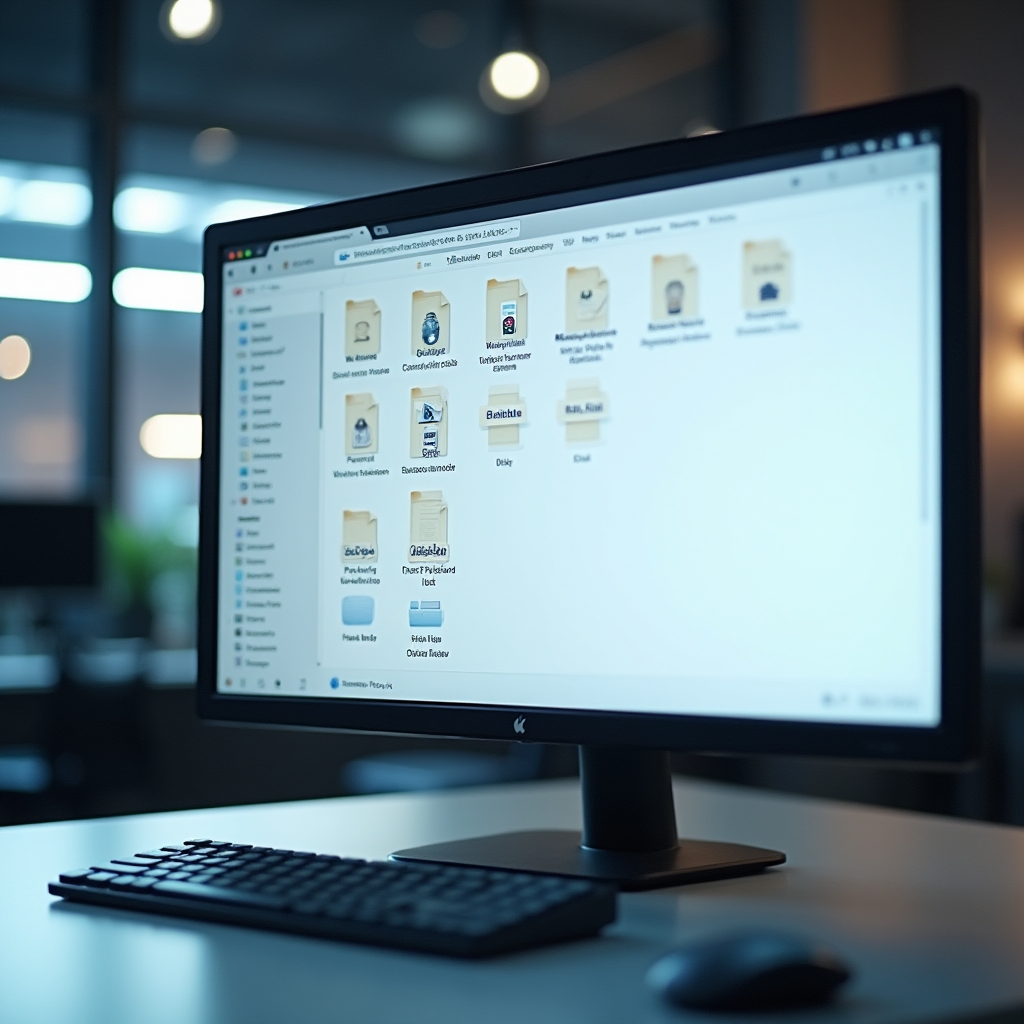
Organization a new hire can navigate on day one
You could have the world's best-written SOPs and still have them be useless. If a new team member can't find the right document in under ninety seconds, it doesn't exist for them.
The organization frameworks here are built around how people search for information under pressure, not how archivists prefer to file things. There's a difference, and it matters enormously.
Who benefits mostKnowledge areas
Topics covered in depth
Each area below represents a real operational challenge that tiny teams face. These aren't theory. They're practical frameworks from people who built systems inside their own businesses.
Process Mapping for Non-Analysts
You don't need a flow chart software subscription or a business analyst certification. You need a piece of paper and a clear question: what happens first, and what happens next?
Learn moreTraining Without Being Present
When your documentation is strong enough, a new hire can onboard themselves on the first day. This section covers how to structure self-guided training so you're not spending your Tuesday re-explaining the same things.
Learn moreSOPs That Stay Current
The hardest part of documentation isn't creating it. It's keeping it accurate six months later when the software changed and nobody updated the doc. There's a lightweight maintenance system for this.
Learn moreLocal Business Specifics
A restaurant, a salon, a trades contractor and a retail shop all have different documentation needs. The physical-location layer adds complexity that generic SOP advice ignores entirely.
Learn more
Our approach
Frameworks from people who've done this, not people who've read about it
There's a meaningful difference between advice from a consulting firm that has studied small businesses and advice from someone who ran a four-person operation and figured out the hard way what breaks.
The frameworks you'll find here come from that second category. They're opinionated. They're specific. And they're designed to be usable by a business owner who has forty-five free minutes on a Wednesday afternoon, not a full-time operations team.
Each framework is designed to produce a working result in one sitting.
Built for two-to-five-person teams, not enterprise departments with dedicated ops staff.
Good SOPs don't require constant updating if they're structured correctly from the start.
Ready to start?
Pick the topic most relevant to where you are right now
You don't need to read everything. Start with the piece that addresses your most immediate problem and build from there.